
Stefan BRADLEY
PRIVATELY owned, and privately run.
The township of Licola is famously owned by Lions Clubs of Victoria and Southern New South Wales.
As of January 31, the general store and a caravan park has joined the campsite and is now run by the Licola Wilderness Village board (who often refer to themselves as simply Licola).
The Village’s board experienced backlash from Licola locals and visitors after they decided not to renew Leanne O’Donnell’s lease around April last year. Despite being asked to leave the premises, the Village has not bought Ms O’Donnell’s ownership of the business and chattel, which she has invested more than $300,000 in, and is now essentially worthless.
In December, the board quietly listed the town for sale. The board is recommending the sale of all Licola properties, including the Licola Wilderness Village, general store and caravan park, with proceeds to be invested into the new Lions Licola Foundation.
Denis Carruthers, chairperson of the Licola Village Board, confirmed the town has not yet been sold and the foundation will not be established until a sale is concluded. He said the Wilderness Village is operating as usual, so camps for young people are ongoing.
“It is important to highlight that the Licola Board has a responsibility to protect the Licola mission, not just the physical place. We all accept and understand that Licola holds deep emotional and historical significance, but continuing to operate the site in its current form would place the organisation and its purpose at significant risk. The transition to a Foundation ensures that we can continue the Licola mission ‘To Positively Change Young Lives’ and send more deserving children to camps well into the future,” Mr Carruthers said.
Asked to comment on the possibility of a sale of Licola, a Wellington Shire Council spokesperson indicated they don’t have much involvement in the matter.
“As per standard process, council’s involvement extends to providing a Land Info Certificate following a request by the vendors’ solicitor, which gives details that are then included in a disclosure statement, part of a contract of sale,” the spokesperson said.
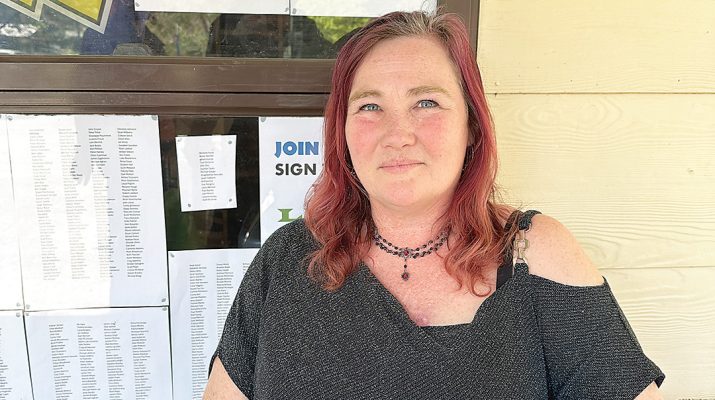
Licola Caravan Park and General Store (which also includes a fuel station) had been operated by Ms O’Donnell since 2022, who moved to the area to buy and run the business.
During late January, High Country locals and regular customers came to Licola to help her move everything out of the store and caravan park.
Right now, the store is closed, but Mr Carruthers said on January 30 that it will reopen in “a couple of weeks”.
All the signage, including the iconic sign on the front, was donated to the Heyfield and District Museum.
Mr Carruthers said there was no reason for the sign to be removed.
“The historical sign was unfortunately removed by the lessee prior to vacating the premises. She will say the sign was part of her fixtures and fittings, however that is not the case and it is clearly an integral part of the store structure that belongs to the landlord,” he said.
When asked about this, Ms O’Donnell pointed to the letter from the board’s lawyer that’s been posted online, which included a clause saying “remove signage and make good any damage caused by its removal”.
Ms O’Donnell and one of her kids now live in a caravan and she’s been spending time in Heyfield, while continuing to deal with loose ends after leaving Licola.
“It’s hard to work out what to do next when you don’t have enough money to do anything,” she told the Gippsland Farmer.
Licola local Ralph Barraclough said he had never seen such anger from the community over the way Ms O’Donnell had been treated. He and Ms O’Donnell both noted that they were unable to sell everything, so some of it had to be destroyed or thrown out.
“There was beautiful furniture that was just chopped up, broken up and put into bins,” Mr Barraclough said.
The Australia Post’s street posting box was removed. Ms O’Donnell said this was because she had an agreement with them while she was running the business.
“A decision has been made not to reinstate the Licola Community Postal Agency, as the agreement between the Agent and Australia Post has ceased,” Australia Post said.
“Licola CPA was only receiving mail two days a week for three customers, who have now made alternative arrangements for mail delivery and therefore no longer require the postal services the CPA provided. A range of services can be accessed at existing post offices including Heyfield Post Office and Tinamba Post Office.
“Australia Post knows how important postal services are in keeping our communities connected and believe the needs of this community can be met by the above arrangements. We continue to review the services we provide, based on the changing needs of communities.”
Ms O’Donnell said her anger was at the Licola Wilderness Village board, and not at the various Lion Clubs, who she said had been helping her.
“There’s so many Lions Clubs that are really annoyed with what they’re doing,” she said.
Ms O’Donnell also recently set-up a GoFundMe to raise money to buy the town outright, but she has put it on pause while she figures out a way forward. She hopes the town stays true to itself, no matter what happens in the future.
“I love Licola. I love everything about it, and I don’t think that Licola should go to the hands of a developer. It’s so unique and it’s so different. It’s stuck in time. It should be staying the way that it is. It shouldn’t be overdeveloped,” she said.
“Everyone loves the colour because it’s so quaint in the way that it is. And I would love to have the town to stay the way that it is and continue what the Lions Club was meant to be there for.
“It’s for the kids and for the underprivileged and people that are going through anything that need to get out and clear their head and have some headspace, because the colour is fantastic for healing after you’ve been through garbage.”
