
Katrina BRANDON
THE flu is coming around.
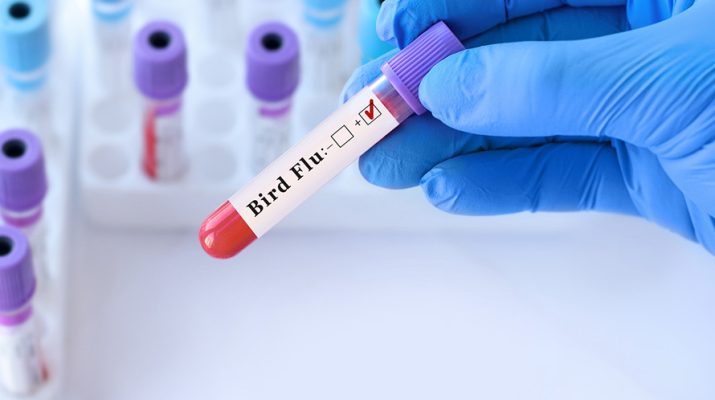
It’s not the normal flu, but the H5 bird flu (highly pathogenic avian influenza, HPAI H5N1).
On June 20, avain flu was first recorded on mainland Australia for the first time.The first few cases were recorded in Western Australia, with only moments later being found in South Australia.
A couple of weeks later, a shift to the eastern coast, brought one case to the shore of New South Wales.
Currently (at the time of the Gippsland Farmer deadline), there are 20 cases recorded around Australia, with no detections in pultry, dairy cattle or any livestock. This ends Australia’s status as the last H5-free continent and shifts the issue from an external threat to active on-the-ground biosecurity management. There are also no cases currently recorded in Victoria.
H5 bird flu is, the first and foremost, a disease of birds. Poultry sectors carry by far the highest likelihood and the most severe consequences, while the risks in livestock sectors range from low (dairy, pigs) to negligible (beef, sheep, goats).
This virus specifically targets bovine mammary glands, causing drops in milk yield, and can be transmitted to humans handling infected animals or consuming raw dairy. Pasteurised milk sold commercially is entirely safe.
The Victorian Farmers Federation (VFF) is working closely with Agriculture Victoria and the Victorian Chief Veterinary Officer on communication, surveillance and reporting and preparedness.
The VFF recommends:
- Tightening on-farm biosecurity: quarantine new stock, limit visitors, disinfect vehicles and equipments;
- Reduce wild-bird contact (restrict feed/water; net standing water). Do not cull wild birds not effective and often unlawful, and;
- Know the signs (milk drop, mastitis, fever, abnomal milk, unexplained deaths) and report immediately to the Emergency Animal Disease hotline 1800 675 888.
- If avian influenza is suspected in poultry, phone the Emergency Animal Disease hotline and for birds and wildlife:
- Avoid contact with sick or dead birds, wildlife or their environment;
- Record what you see, and;
- Report wildlife sickness or deaths to DEECA using an online form (forms.bio.vic.gov.au/wildlife-influenza-investigation) or call the hotline.
When making a report, report clusters of five or more sick or dead wild birds of any species, anywhere in Victoria.
Report one sick or dead wild seabird, waterbird, shorebird, or bird of prey and marine mammals such as seals, sea lions and dolphins.
Signs of bird flu in wild birds include;
- Can’t stand, walk, or fly properly;
- Droopy or puffed-up appearance;
- Breathing problems (panting or sneezing);
- Unusual head or neck posture, and;
- Sudden death (especially in large numbers).
Similar signs can be seen in poultry, such as chickens and ducks. Other signs also include reduction in feed intake and drop in egg production.
Authorities warn people that despite the flu “going around”, people should NOT panic buy poultry and eggs, and should not panic.
For more information, go to agriculture.vic.gov.au/biosecurity/animal-diseases/poultry-diseases/H5N1-avian-influenza-H5-bird-flu
