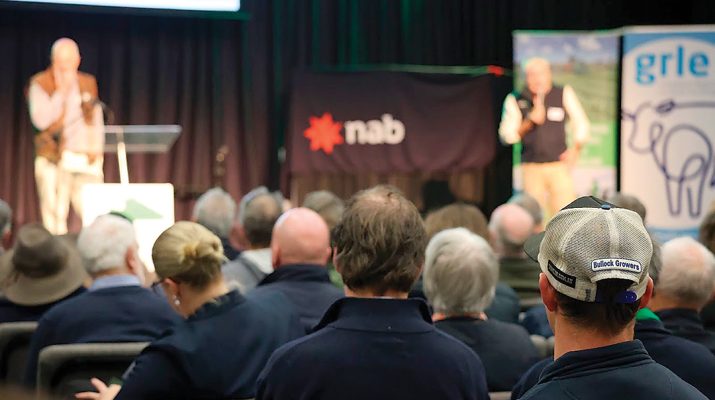
The Gippsland Red Meat Conference was a “sell-out” event, welcoming people to hear from experts and industry leaders in the red meat industry.
Katrina BRANDON
Red meat: every decision counts
EVERY decision you make has an impact.
At the 2026 Gippsland Red Meat Conference, the theme was ‘Every decision counts,’ focusing on the red meat market, investments, innovations, and new research that can affect farmers’ businesses across the region.
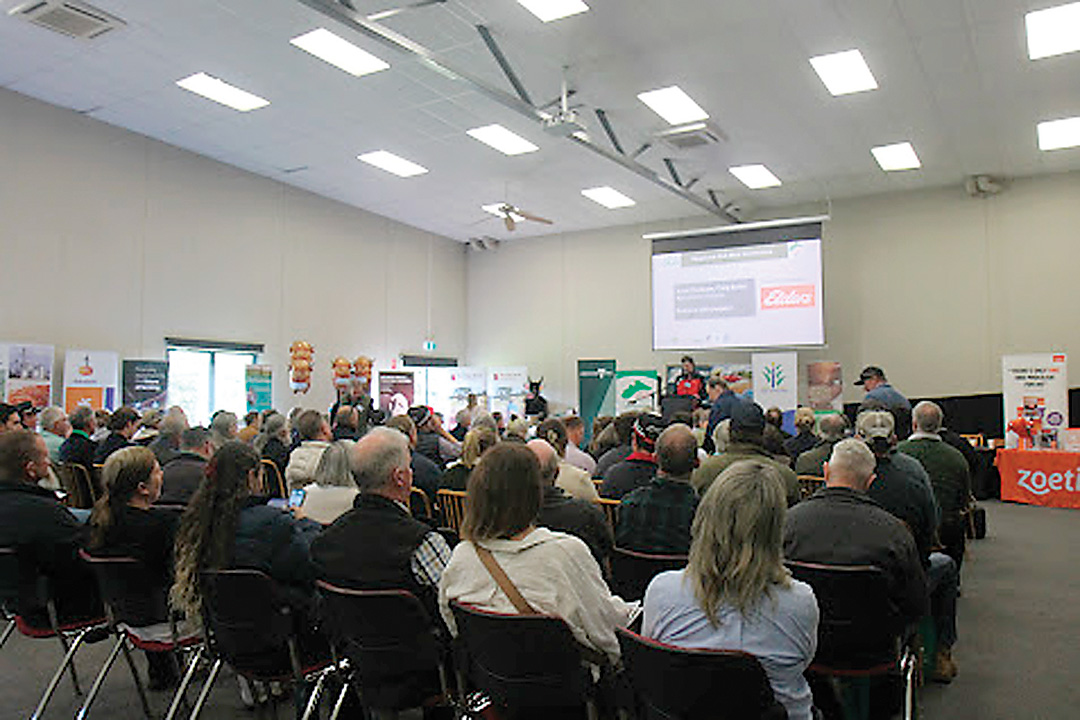
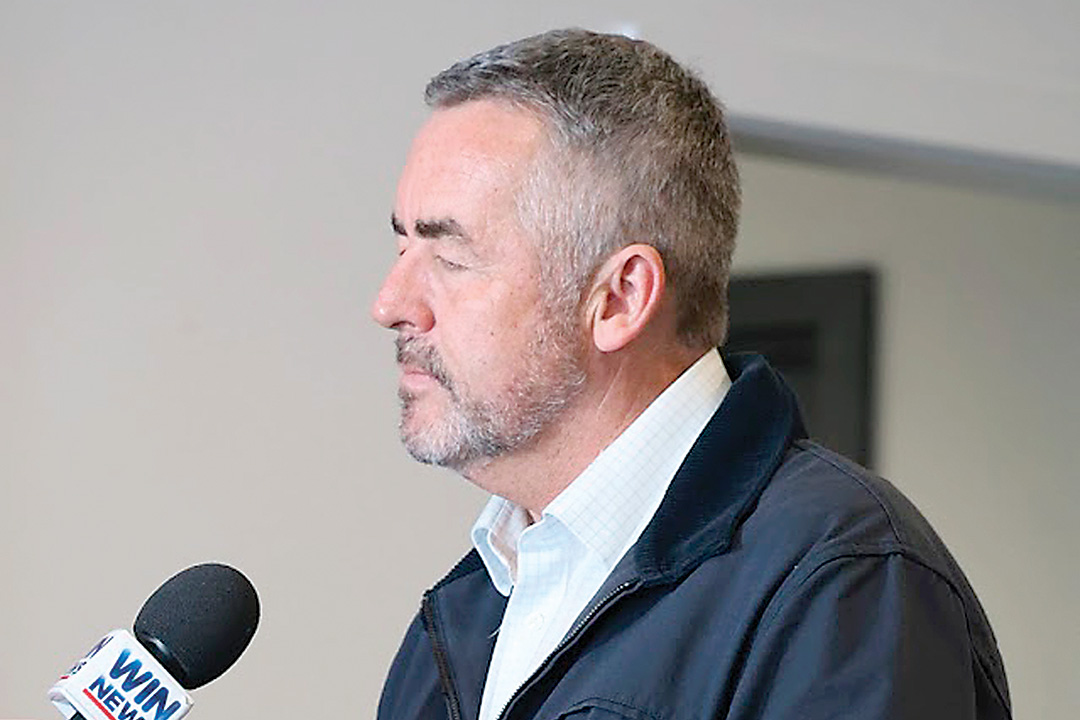
Held at the Sale Baptist Church, the event had a rather wet start but welcomed almost 200 farmers, industry partners and others interested in learning about the red meat industry, as well as Shadow Minister for Agriculture, Fisheries and Forestry, Darren Chester.
“The opportunity for local farmers to gather with experts in the agricultural sector along with equipment suppliers, banking representatives and government officials was appreciated by hundreds of conference-goers,” Mr Chester said.
“We have a world-class and sustainable red meat sector in Gippsland which is constantly aiming to improve productivity and profitability through innovation and better farm management.
“The challenge remains for all levels of government to reduce red tape and bureaucracy, which creates an extra burden on our farming families.”
Gippsland Agriculture Group (GAgG) was founded 20 years ago as Top Crop in Bairnsdale, with a focus on soil health. Over time, the group evolved into the Gippsland Branch of Southern Farming Systems and now GAgG.
Starting on 10 hectares, the group’s site grew to 100 hectares in 2020, with the Conference commencing the following year.
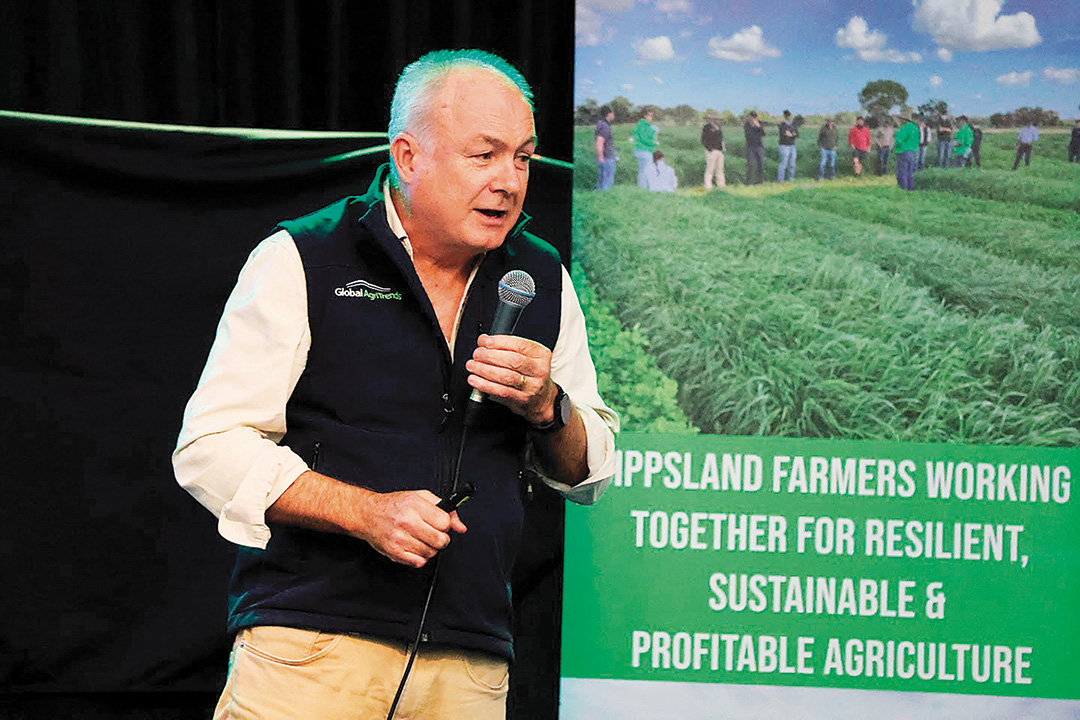
At the start of the event, Chair of GAgG Leecia Angus asked each attendee to meet at least three new people, noting that the more farmers build their own networks, the more the farming network can grow together, bringing connections from one part of the state to another.
At the start of the session, Ms Angus also described the day’s outlook.
The day delved into topics such as how Gippsland produces a productive pasture or feed base, and making the most of the potential in every kilogram of feed when farmers feed their stock. It also talked about key profitable and resilient farming business models for local farmers.
Wellington Shire Council Economic Development team member Mark Holland helped launch the sell-out event, sharing that it hits home as a beef farmer in Tinamba.
Mr Holland highlighted Gippsland’s importance to the Australian agriculture industry.
“Gippsland is one of Australia’s most productive agricultural regions, generating more than $2.5 billion in agricultural production a year,” he told the group.
“Red meat is very central to this story. Beef and sheep production contribute approximately 939 million, representing 37 per cent of Gippsland’s agricultural output and 25 per cent of Victoria’s beef and sheep production. Red meat producers are only a whisper behind dairy in production, and we’re chasing that fast.”
While highlighting the importance of the industry’s contributions, Mr Holland noted that the event aimed to help farmers and industry partners network and learn about various topics.
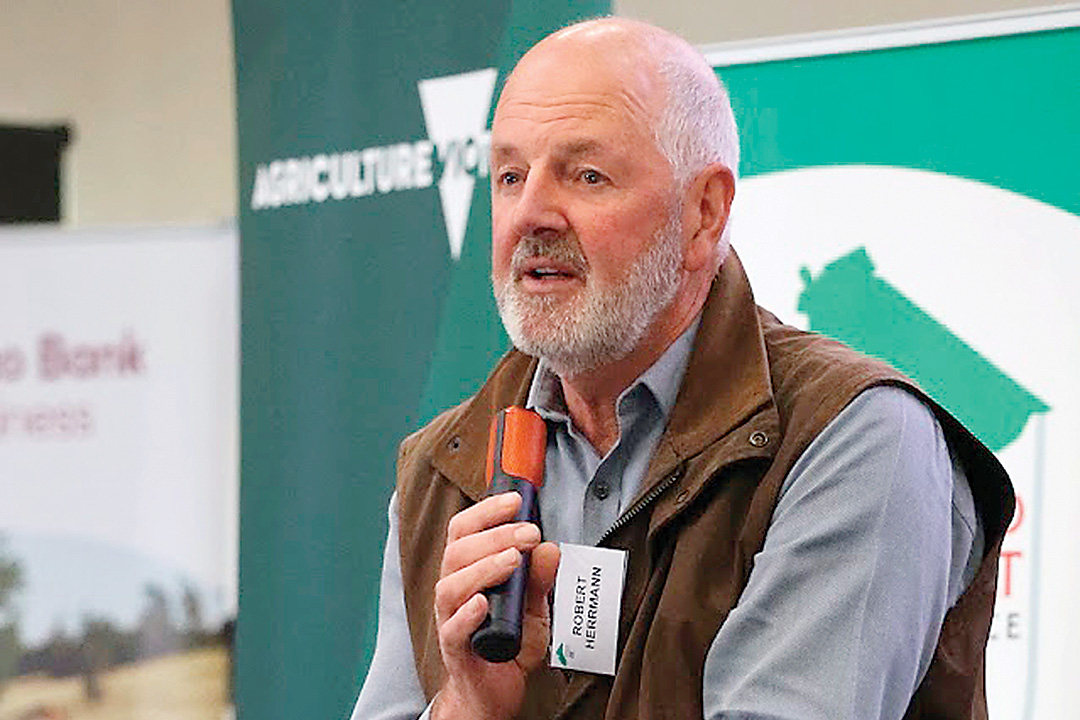
Starting with a hit event, Associate Director, Senior Consultant, Strategic Planning and Special Projects at Meridian Agriculture, Robert Herrmann and Managing Director of MLX Pty Ltd, Simon Quilty, took to the stage.
The two focused on the fundamental point of global tightness, with herd and flock rebuilds in Australia, the USA and South America yet to really begin. While the duo put down the statistics, they still managed to catch a couple of laughs from the crowd with jokes about America’s tariffs and inaccurate weather forecasts from “so-called” reputable sources.
Rest assured, for red meat producers, the two preached the gospel that the market would see growth in upcoming years despite additional tariffs.
While the two were the top performers of the day and later shared individual sessions, a break in between the snack sessions stole the show.
The session before lunch came from corporate agribusiness professional and beef producer Meridie Jackson, who shared the lessons she learnt from building her farm business from the ground up, the risks she took, and the decisions that shaped the direction she wanted her life to take.
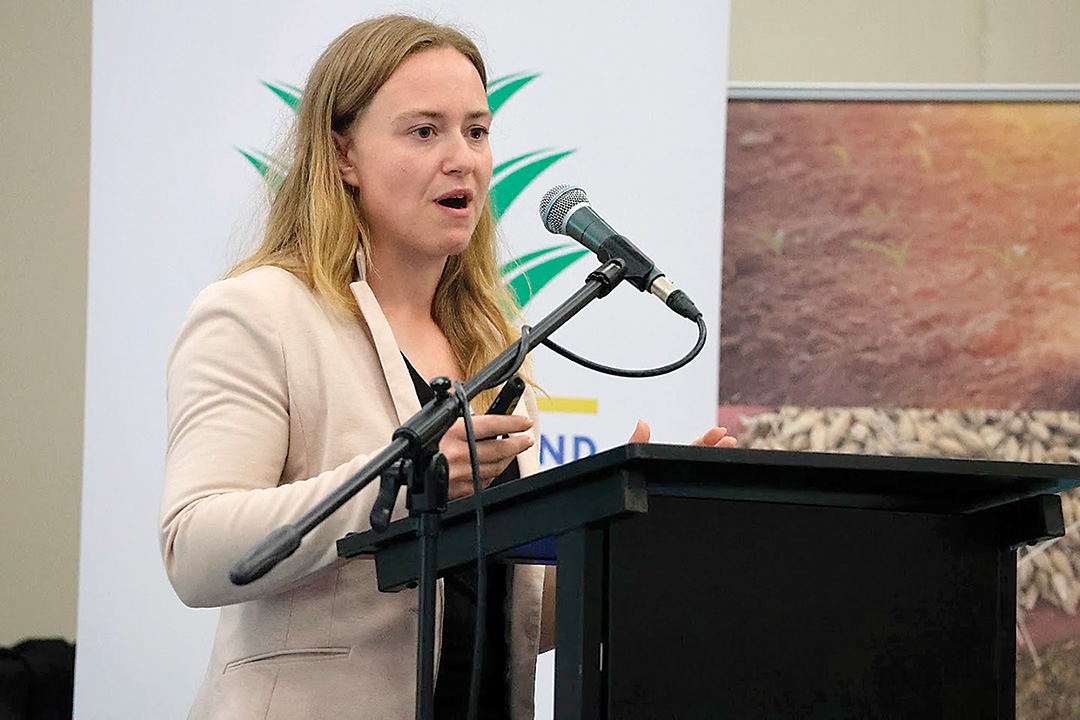
A or B? Following Ms Jackson’s session, there was a split opportunity where farmers could choose between hearing from the Co-Principal of the Landfall Angus group, Frank Archer, on virtual fencing, and a detailed session on pasture from Ellinbank’s Senior Research Scientist, Dr Anna Thomson.
Next up after lunch were two more split sessions that attendees could take part in.
The first split was from a first-generation beef cattle producer, Tom Cosentino, who spoke about capital investment and potential things that could shape a farming business and another session by Mr Quilty on understanding the sheep cycle and what drives it.
Following Quilty and Cosentino was Herd Solutions’ associate veterinarian, Chelsea Hair, talking about her project ‘Focus on Weighty Weaners’, and looking back with Mr Herrmann.
Leading into the afternoon sessions, Principal Consultant at Rumenate Livestock Nutrition, Jess Revell, starred in a solo performance on containment feeding, bringing evidence to the plate on certain feeding strategies and different solutions to the stage.
Finally, the last presentation came from fifth-generation farming family Rob and Ian Bayley, who brought a virtual farm tour to the event, exploring how they combine livestock, pasture, nutrients, energy, and data across their farm.
At the end of the event, attendees left with full bellies, goodies, and extra information to reinvent their future farming experiences.