
Aidan KNIGHT
COMMUNITY environmental leaders, farmers, researchers, local government representatives and volunteers gathered in Cardinia Shire last month for the 2026 Victorian Landcare Forum, showcasing the growing role of grassroots action in tackling biodiversity loss, climate resilience and community wellbeing.
Hosted at the Cardinia Cultural Centre, the three-day event highlighted the organisations.
Across the first two days, delegates explored a range of topics including youth engagement in Landcare, coordinated approaches to climate resilience, community recovery after natural disasters, and new investment opportunities for environmental projects. Sessions feature contributions from community organisations, local councils, catchment management authorities, universities and Landcare groups from across Victoria.
Stalls were held within the centre by some of the more prominent organisations and sponsors affiliated, including:
- Trust for Nature;
- Catchment to Cost;
- The Victorian Farmers Federation;
- Natural Resource Conservation Trust, and;
- Various levels of Landcare from across the state and country.
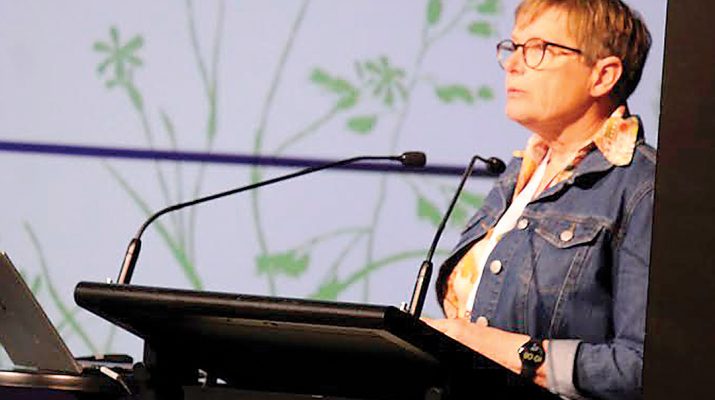
One of the central messages emerging from the forum was that of the importance of community-led responses to disaster recovery. Monash University research fellow Dr Zoe D’Arcy spoke on day two of the event, on the shift from “top-down” approaches to critical events, arguing local people are best placed to define and build resilience in increasingly peri-urban regions, of which Gippsland has many.
On the flip side, she made point of the significant disadvantage these communities, popular to “tree-changers” from more metro areas in the last decade, have in relation to fire-specific responses. When much of a community are not experienced in a more rural or fringe lifestyle of bushfire awareness or response, it poses a risk to the wider community.
Dr D’Arcy’s presentation highlighted the challenges posed by rapid population growth and changing land use, all amidst escalation risk of fire, flood, and drought.
The theme of community-led action was reinforced by several West Gippsland presenters, including Jindivik Landcare Group’s “Hunt for the Giants” project, celebrating significant trees across the region, Western Port Catchment Landcare Network’s long-term work supporting sustainable dairy farming, and Cannibal Creek Catchment Landcare Group’s successful partnerships with schools, businesses and community organisations to deliver large-scale revegetation projects.
Together, the presentations showcased the vital role local knowledge, collaboration and grassroots leadership will play in strengthening environmental stewardship and disaster resilience across the region.
