
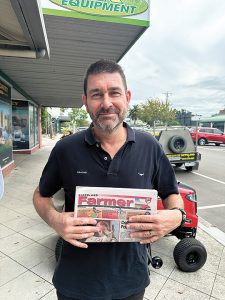
Stefan BRADLEY
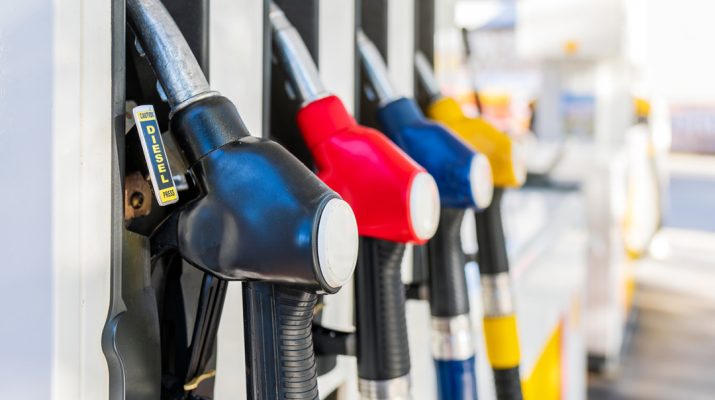
GIPPSLAND’S dairy industry has been exposed weekly, if not daily, by disruptions due to factors largely out of their control, as the Iran War has led to fuel shortages, petrol/diesel price surges,
supply chain disruption, panic buying and lower spending by consumers.
While weather conditions have been favourable, any optimism has been turned on its head with the announcement of Australia’s trade deal agreement (FTA) with the EU, despite the potential market opportunities.
The Australia-European Union Free Trade Agreement will lower trade and investment barriers between Australia and the EU, the world’s second biggest economy with a market of around 450 million people. While negotiations are complete, the deal is not expected to be enforced for some time.
Gippsland Jersey co-founder Sallie Jones told the Gippsland Farmer that the EU trade deal announcement was not on their radar.
“We have purchased a cheese factory and we make feta, halloumi and Parmesan and things like that,” Ms Jones said.
“So, obviously, we were thinking, what do you do if you can’t call your product certain names? But our issue is around the cheap imports coming in.
“It takes 10 litres of milk to make one kilo of cheese. When you’re bringing it in for $8 a kilo or so, we just can’t compete with that. It’s a shame the government doesn’t back us and give Australian-made some help.
“We’ve been seeing a lot of dairy companies fall down the gurgler since we first started. I was looking back in a chat group that I started and there was maybe a gathering of 12 of us. We’ve lost four out of those 12 small independent milk companies since 2018.”
Gippsland Jersey has already planned for potential name conflicts, including ‘Jersey melt cheese’ for the halloumi style cheese.
As part of the deal, the EU will eliminate tariffs on 87.3 per cent of dairy products.
Australian producers will have duty-free access into the EU for cheese, whole milk powder, dairy spreads and fats and oils, ice cream, yoghurt, milk and cream.
For a small number of products, the agreement delivers access per year for 5,000 tonnes of natural butter, 8,000 tonnes of skimmed milk powder and 2,000 tonnes of high protein whey.
Senior analyst for dairy and consumer foods Michael Harvey, from agribusiness bank Rabobank, said milk production remained strong, but consumers were already feeling a cost-of-living pinch before the war began.
Asked about the EU FTA, Mr Harvey said Australia already imported a ton of milk every year, mostly from New Zealand but increasingly more from the US and Europe. About 30 per cent of Australian milk is exported. Australia’s dairy exports are highly concentrated to Asia, so the FTA will open up the EU market.
“We’re already importing dairy products because we have shortages in the supply chain and markets have pivoted. But when you get a trade agreement that gives improved access to a competitor, it heightens that competition,” Mr Harvey said.
“That’s always the challenge competing in the domestic market. It gives some export opportunities, and others will argue if it’s sufficient volumes and not, that’s not my place (to say), but certainly we are still an export sector.”
The Victorian Farmers Federation (VFF) says local farmers have been sold out by the EU FTA.
The Australian Dairy Industry Council (ADIC), claimed the agreement failed to deliver reciprocal and fair outcomes for Australian dairy, while increasing exposure to imports and imposing a European-style regulatory naming regime on Australian consumers and processors alike.
The federal government said that Australian farmers and producers will benefit from the elimination of almost all EU tariffs on agricultural products, including wine, nuts, fruit and vegetables, honey, olive oil, most dairy products, wheat and barley, and seafood. The removal of most Australian tariffs on imports from the EU will make things like European wine, spirits, biscuits, chocolates and pasta cheaper at the check-out.
Ms Jones said the dairy sector is one of the most energy intensive in Australian agriculture, and will be hit hard by the fuel crisis. She said the cost of plastic bottles is up 22 per cent, fuel levies keep going up from 22 per cent to 57 per cent.
“There’s no reprieve in terms of being able to manufacture and do business in Australia. It’s just so expensive,” she said.
“I’m not sure what next week will bring. We’re so freight dependent.”
Gippsland Jersey will be watching to see the impact of the temporary changes to the fuel excise and heavy vehicle road-user charge.
“Every little bit will help. With our business, everything’s about cents,” Ms Jones said.
But it’s perhaps not all bad news, as Gippsland Jersey in the last week of March had their “biggest milk week ever”.
“We’re not sure why, whether or not people are panic buying or if people are getting on board and supporting us, but we’ve had about 30 per cent growth in the past year for Gippsland Jersey. So that’s really encouraging for us,” Ms Jones said.
“We’re all about paying farmers a higher price. We don’t publish the price that we pay, but our farmers are kept happy and they know what they’re getting so they can do their budgets and run their businesses as they need to.”
“Milk production on farms is really high just because it’s been an incredible season. The rain, the warmth, everything has been perfect for grass growing seasons.”
