
Katrina BRANDON
AS February ends the so-called “summer period”, the heat does not end here.
Hot and dry conditions continue throughout the state, with temperatures remaining persistent in the 20s, 30s, and even 40 degrees Celsius.
Considering records from last year, temperatures only started to drop in mid-May, with the hottest day in April at 32.1 degrees and the hottest day in May at 26.1 degrees, according to the Bureau of Meteorology observations page.
Authorities are warning that, with that in mind, people should continue to monitor conditions in the coming months, as previous years have shown warmer temperatures long after February.
In August 2025, emergency authorities warned that conditions throughout the season would be rough and urged people to prepare.
From fire to flood to “apocalyptic” winds, people are being urged to have MULTIPLE plans in place for natural disasters, set in stone, to ensure absolute safety where possible.
As many posts on Facebook claim, “The Australian summer is a warning, not a season”.
Multiple fires were reported throughout the state in January, along with a flash flooding event up along the Great Ocean Road. Between strong winds, dry lightning storms, and high temperatures, conditions became a breeding ground for disaster.
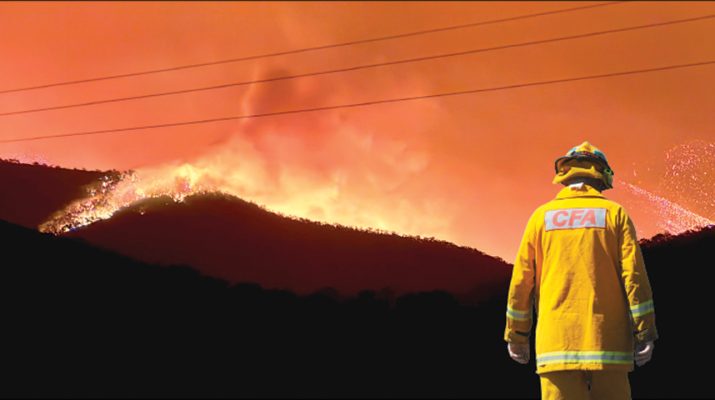
The fire list continues, with six active fires in and out of Gippsland, affecting a state-wide level. Fires such as Dargo, Mallacoota, Tallangatta and Longwood have burnt up to 413,000 hectares of land.
Firefighters from South Gippsland, West Gippsland, Latrobe Valley, Wellington and more have sent up strike teams to the fires, whether it be fighting on the front lines, blacking out fire lines, or keeping both the public and fire crews updated on the situation from the State Control Centre (SCC).
Thousands of firefighters from across Australia, New Zealand and Canada participated in the fight against the bushfires in Victoria, according to the SCC.
Alongside fire-ground support, communities are gathering to collect donations for those affected by the bushfires, including bales of hay for farmers whose livestock survived the horrific events.
Hundreds of hay bales have been donated to affected areas by groups like Need for Feed, Lardner Park, South Gippsland Shire Council, the Strzelecki Lions Club, the Victorian Farmers Federation, individuals, East Gippsland Water, and more.
More fire coverage –
